Drivers who leave Facebook and Twitter warnings over police speed cameras face £1,000 penalty
Motorists may face substantial fines, possibly reaching four figures, for utilizing social media to alert others about police speed traps or flashing their headlights. The Highway Code strictly allows headlight usage solely for signaling one’s presence to other road users,…
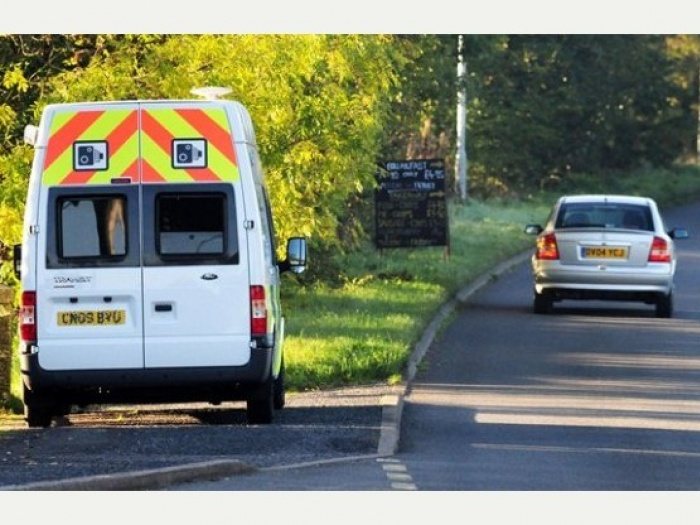
Motorists may face substantial fines, possibly reaching four figures, for utilizing social media to alert others about police speed traps or flashing their headlights.
The Highway Code strictly allows headlight usage solely for signaling one’s presence to other road users, not for conveying other messages.
Drivers issuing warnings about police speed traps may breach section 89 of the Police Act 1997, as it is deemed an offense to willfully obstruct a constable in the execution of duty.
This warning extends beyond the road to social media platforms like Facebook, Twitter (X) and Instagram.
The penalty, potentially up to £1,000, applies not only to headlight flashing but also to disclosing police speed trap locations on social media channels.
Traffic and travel groups on platforms like Facebook may inadvertently lead users to legal consequences if they share such information.
The law, under rule 110 of the Highway Code, emphasizes using headlights solely for indicating presence and not for conveying messages or intimidating others.
Breaching section 89 of the Police Act 1997 by obstructing police duties, including speed checks, could result in criminal charges, with a maximum fine of £1,000.


