Weigh in Motion Sensors (WiMS) explained
The British Driver and Vehicle Standards Agency (DVSA) uses advanced WIM sensors and roadside cameras nationwide to tackle overloaded delivery trucks and lorries. These vehicles pose significant risks to road safety and cause damage to infrastructure. In the early 2010s, the…
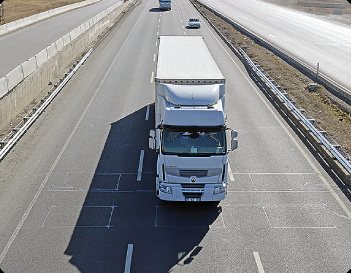
The British Driver and Vehicle Standards Agency (DVSA) uses advanced WIM sensors and roadside cameras nationwide to tackle overloaded delivery trucks and lorries. These vehicles pose significant risks to road safety and cause damage to infrastructure.
In the early 2010s, the UK automated its manual weight-control systems. The new setup combines Weigh in Motion Sensors (WIMS) with the Automatic Number Plate Recognition (ANPR) system. Induction loops and specialized sensors embedded in the road surface accurately measure the weight of passing trucks
The scales on British highways are highly precise, with nearly every WIMS alarm confirmed by stationary scales at DVSA points. The agency keeps the locations of these scales confidential, though they are strategically placed across the UK road network.
The officers can then stop the indicated vehicle and direct it to the nearest control point.
The system’s interface provides instant access to the WIMS weight reading along with vehicle and operator database information.
The Operator Compliance Risk Score (OCRS) is also displayed for insights on a carrier’s past infringements.
The system also recognizes foreign vehicles not listed in the DVSA database.
Additionally, the system detects excessive speed.


